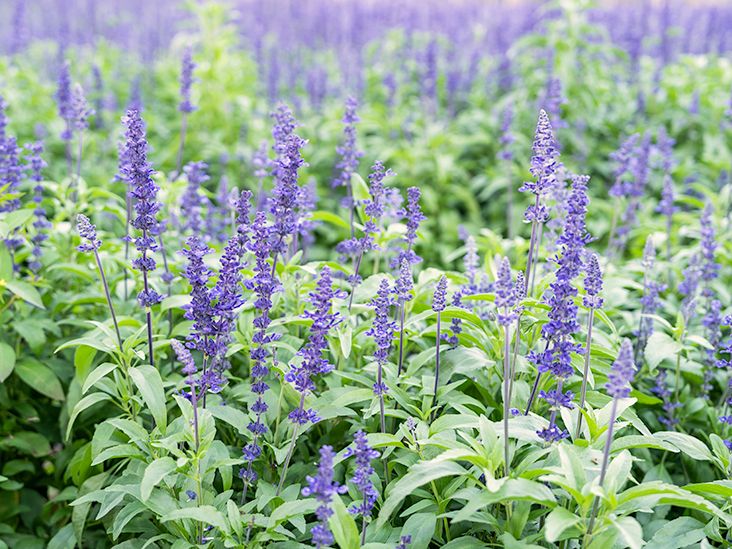
Salvia Divinorum: Unveiling the Enigmatic Salvia Drug
Salvia Divinorum, often referred to simply as Salvia, stands as a unique and often misunderstood psychedelic. Far from a typical recreational substance, this potent plant from the mint family has intrigued cultures for centuries and continues to spark debate in modern contexts. While traditional use by Indigenous shamans in Mexico speaks to its profound spiritual significance, contemporary anecdotal reports from casual users paint a picture of an intense, often bewildering experience. This blend of ancient wisdom and modern experimentation, coupled with a notable lack of formal scientific research, makes understanding the true nature and effects of the
Salvia drug a complex endeavor. This article delves into what we currently know, piecing together insights from historical accounts and user experiences to offer a comprehensive look at this extraordinary botanical.
What is the Salvia Drug: A Botanical Enigma
At its core, Salvia Divinorum is a psychoactive herb native to the Sierra Mazateca region of Oaxaca, Mexico. Historically, it has been revered by Mazatec shamans who refer to it by names such as Diviner's Sage, Ska María Pastora (Shepherdess Mary), or Seer's Sage, employing it as a visionary sacrament for spiritual journeys, divination, and healing rituals.
The psychedelic effects of the
Salvia drug are primarily attributed to a unique diterpenoid compound known as
Salvinorin A. What makes Salvinorin A particularly fascinating in the realm of psychoactive substances is its distinct mechanism of action: it is the only known naturally occurring non-nitrogenous kappa-opioid receptor agonist. Unlike classic psychedelics which typically interact with serotonin receptors, Salvinorin A's interaction with kappa-opioid receptors produces a vastly different and often more intense, dissociative experience. This singular characteristic underscores why Salvia Divinorum's effects can feel so profoundly different from those of other hallucinogens, presenting a compelling area for scientific exploration into its potential therapeutic applications, particularly concerning pain relief and addiction, even as "growing hysteria" has unfortunately hindered extensive medicinal research.
Diverse Methods & Distinct Effects of the Salvia Drug
The methods of consuming the
Salvia drug are as varied as its reported effects, each influencing the onset and duration of the experience. Traditionally, fresh Salvia leaves are held under the tongue, a method known as sublingual absorption. When consumed this way, the effects typically begin within 10 to 20 minutes and can last for approximately 30 to 90 minutes. This method is often associated with a more gradual onset and a somewhat gentler, though still potent, experience.
In more contemporary settings, dried Salvia leaves are commonly smoked, often in a bong or mixed with tobacco and rolled into a cigarette. Smoking the dried leaves leads to a remarkably rapid onset of effects, usually within 15 to 60 seconds, but these effects are also considerably shorter-lived, typically subsiding within 15 to 90 minutes. The rapid onset and intense, often overwhelming nature of smoked Salvia are primary reasons for its reputation among casual users as a "crazy drug" that can be difficult to manage. Beyond these common methods, Salvia is also used in tinctures or teas, and in some countries, commercially extracted products offering concentrated doses of Salvinorin A are available. It's crucial to remember that the strength of the
Salvia drug can vary significantly from batch to batch, especially with plant material, making consistent dosing challenging and unpredictable. For a deeper dive into its historical context and diverse effects, explore
Salvia Divinorum: Unpacking Its Psychedelic Effects & History.
Navigating the Profound & Peculiar Effects of Salvia Divinorum
The experience induced by the
Salvia drug is often described as brief yet extraordinarily intense, affecting all senses and profoundly altering a person’s thinking, sense of time, and emotions. Users frequently report a wide array of effects, which can vary drastically from one individual to another, influenced by factors such as their size, weight, overall health, prior experience with psychedelics, concurrent use of other substances, the amount consumed, and the drug's potency.
Reported effects span a broad spectrum, including:
- Intense Hallucinations: Seeing or hearing things that don't exist, or experiencing reality in a distorted manner.
- Cognitive Disorientation: Profound confusion, delusions, and a distorted sense of time.
- Emotional Shifts: Feelings of anxiety or impending doom, but also unprovoked laughter or an increased appreciation of music.
- Dissociative Sensations: Feeling detached from one's body or surroundings, often leading to a loss of physical coordination or uncontrolled body movements.
- Physical Reactions: Loss of energy, sometimes leading to sedation at higher doses, increased body temperature, and even pain relief.
These effects, while sometimes perceived as negative in recreational settings, can, in traditional shamanic contexts, be interpreted as profound spiritual insights or journeys into other realms.
The Critical Role of 'Set' and 'Setting'
The subjective nature of the Salvia experience is heavily influenced by 'set' and 'setting' – two crucial concepts in the study of psychoactive drugs.
- Set (Mindset): Refers to a person's psychological state, including their mood, personality, previous experiences with drugs, and expectations of what will happen. Approaching the Salvia drug with feelings of stress, anxiety, or apprehension significantly increases the likelihood of an unpleasant or "bad trip." Conversely, a calm, positive, and open mindset can contribute to a more manageable and potentially profound experience.
- Setting (Environment): Pertains to the physical and social environment in which the drug is consumed. A calm, quiet, familiar, and safe environment with trusted companions is generally conducive to a positive experience. In contrast, a noisy, chaotic, or unfamiliar setting, or being around people one doesn't trust, can amplify feelings of paranoia and fear, leading to a negative outcome.
Practical Tip: Given the unpredictable and potent nature of Salvia Divinorum, anyone considering its use should prioritize a sober, experienced sitter and a truly safe, comfortable, and controlled environment. Managing expectations and fostering a positive mindset are paramount. To understand more about how these factors shape your experience, read
Salvia's Impact: How Set and Setting Shape Your Experience.
Research Gaps and the Future of the Salvia Drug
Despite its fascinating history and unique pharmacological profile, formal research into the
Salvia drug remains notably limited. Much of our current understanding is drawn from anecdotal user reports, which, while valuable for insights into subjective experiences, cannot provide the rigorous scientific data needed to establish safety profiles, precise dosage guidelines, long-term effects, or full therapeutic potential.
Scientists have expressed significant interest in Salvinorin A, particularly for its unique action on kappa-opioid receptors, which could hold keys to understanding and treating conditions like chronic pain, depression, and addiction without the typical side effects of conventional opioids. However, societal "hysteria" and regulatory hurdles surrounding psychedelic substances have historically slowed down and, at times, halted crucial research efforts.
Insight: The stark contrast between Salvia's revered place in traditional shamanic practices and its often-maligned status in modern recreational contexts highlights the need for a more balanced, scientific approach. Without comprehensive studies, the full scope of the
Salvia drug's risks and benefits will remain shrouded in uncertainty.
Actionable Advice: Due to the lack of formal research and the significant variability in potency and individual response, exercising extreme caution is vital when considering any use of Salvia Divinorum. All drug use carries inherent risks, and with a substance as potent and under-researched as Salvia, these risks are amplified.
Conclusion
Salvia Divinorum is undeniably a powerful and unique psychedelic plant, standing apart from other hallucinogens due to its distinct chemical structure and mechanism of action. From its ancient roots as a sacred shamanic tool to its challenging contemporary recreational use, the
Salvia drug offers a spectrum of experiences that are brief, intense, and often profoundly disorienting. While its potential therapeutic applications are recognized, the scarcity of formal scientific research means that much of its impact and safety profile remains poorly understood. Understanding the critical influence of 'set' and 'setting,' coupled with a healthy respect for its potent effects, is essential for anyone interested in this enigmatic substance. Ultimately, until more comprehensive research sheds light on its full properties, the Salvia drug will continue to be a subject of both intrigue and caution.