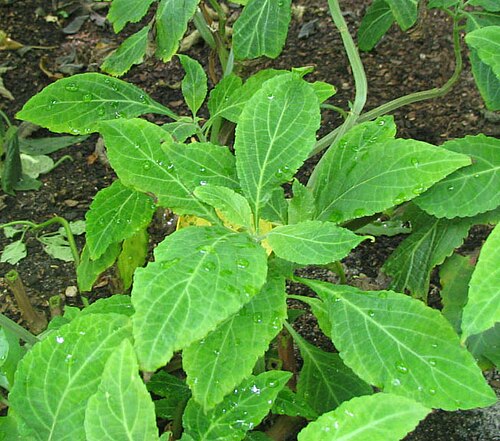
Salvia Divinorum: Unpacking Its Psychedelic Effects & History
In the vast world of psychoactive plants, Salvia divinorum stands as a truly enigmatic entity. Often referred to by names such as Diviner's Sage, Ska María Pastora, or Seer's Sage, this unique herb from the mint family has intrigued scientists, spiritual seekers, and casual users alike for centuries. Unlike many other well-known psychedelics, the Salvia drug offers a distinctive, often intense, and profoundly brief experience, rooted deeply in ancient traditions yet widely misunderstood in contemporary culture.
Our understanding of Salvia is still evolving. Due to a general lack of formal scientific research, much of the publicly available information, including insights into the Salvia Divinorum: Unique Effects, Limited Research Insights, is based on a blend of anecdotal user reports and historical accounts. This article aims to unpack the complex nature of Salvia divinorum, exploring its botanical profile, its rich historical context, the psychedelic effects it induces, and the critical factors that shape its powerful journey.
What is Salvia Divinorum? A Botanical & Chemical Profile
At its core, Salvia divinorum is a plant, a member of the Salvia genus within the mint family (Lamiaceae). What sets it apart and gives it its potent psychoactive properties is a remarkable compound known as Salvinorin A. This is the active ingredient responsible for the drug's profound effects. Interestingly, Salvinorin A is chemically distinct from other classic psychedelics like psilocybin (from magic mushrooms) or LSD, which primarily act on serotonin receptors.
Salvinorin A operates as a highly potent kappa-opioid receptor agonist. This unique mechanism of action is crucial to understanding the Salvia drug's distinct effects, which often differ significantly from those induced by other hallucinogens. Rather than producing the euphoric or empathogenic states sometimes associated with other psychedelics, Salvia's interaction with kappa-opioid receptors tends to induce dysphoria, a sense of detachment, and intense, short-lived alterations of perception.
The traditional names for Salvia divinorum are telling. "Diviner's Sage" and "Seer's Sage" directly reference its historical use in spiritual and divinatory contexts, suggesting its role in helping individuals gain insights or commune with other realms. "Ska María Pastora," meaning "Leaves of Mary the Shepherdess," points to its sacred status and association with spiritual guidance among certain Indigenous communities.
A Glimpse into Salvia's Ancient Roots and Modern Misconceptions
The history of the Salvia drug is deeply intertwined with the spiritual practices of Indigenous shamans in the Sierra Mazateca region of Oaxaca, Mexico. For centuries, these communities have revered Salvia divinorum as a sacred visionary sacrament, employing it in healing rituals, divination ceremonies, and spiritual journeys. Traditionally, it was not used for recreation but as a tool for profound introspection and communion with the divine. The plant was consumed to achieve altered states of consciousness, allowing shamans to diagnose illnesses, predict the future, or communicate with ancestors.
However, Salvia's entry into Western recreational use has been marked by significant misunderstanding and often, disappointment. While some users seek a "party drug" experience, Salvia's effects are often too intense, disorienting, and brief for casual social settings. Many anecdotal reports describe experiences that are anything but "fun," leading to a widespread perception of the Salvia drug as "crazy" or undesirable for recreational purposes. This stark contrast between traditional, intentional use and modern, casual experimentation highlights the importance of understanding the plant's true nature and historical context.
The drug's reputation as a uniquely powerful and often overwhelming psychedelic has inadvertently made it a prime example of a substance that users tend to "put down" after initial encounters, largely because it fails to deliver the expected or desired recreational effects. This divergence underscores the cultural and psychological factors that shape how a psychoactive substance is perceived and used.
Navigating the Salvia Experience: Methods, Onset, and Effects
The method of consumption significantly impacts the onset, intensity, and duration of the Salvia drug's effects. Traditionally, Indigenous users would chew and hold fresh Salvia leaves under their tongue (sublingual absorption), allowing the active compounds to be absorbed through the mucous membranes. When used in this way, effects typically begin in about 10 to 20 minutes and can last for approximately 30 to 90 minutes. This method generally yields a more gradual onset and a less overwhelming experience compared to smoking.
In modern contexts, dried leaves are often smoked, usually in a bong or sometimes mixed with tobacco and smoked as a cigarette. Smoking the Salvia drug results in a much more rapid onset, with effects beginning in as little as 15 to 60 seconds, but they are also considerably shorter-lived, usually lasting only 15 to 90 minutes. This rapid onset often contributes to the intensity and disorienting nature of the experience. Beyond these primary methods, Salvia can also be consumed as a tincture or tea, and in some regions, commercially extracted products with higher concentrations of Salvinorin A are available.
The effects of the Salvia drug are profoundly psychedelic, capable of altering all senses, perception of time, thinking patterns, and emotions. Common anecdotal effects include:
- Intense, short-lived hallucinations: Seeing or hearing things that are not present, or perceiving reality as distorted.
- Changes in visual perception: Distortions, patterns, or vivid, complex imagery.
- Loss of energy or sedation: Particularly at higher doses.
- Confusion and delusion: A struggle to comprehend reality or one's surroundings.
- Feelings of impending doom or anxiety: Often reported during "bad trips."
- Feeling detached from the body: Out-of-body experiences or a sense of merging with objects.
- Time distortion: Experiences feeling like hours or even days, despite only minutes having passed.
- Amnesia: Difficulty recalling parts of the experience afterwards.
- Uncontrolled body movements or restlessness.
- Pain relief (reported anecdotally).
- Increased appreciation of music.
- Laughter or a sense of profound insight.
The Power of Set and Setting: Shaping Your Salvia Journey
The profoundly subjective nature of the Salvia drug experience means that individual responses can vary dramatically. Factors such as a person's size, weight, overall health, previous exposure to the substance, the presence of other drugs, the amount consumed, and the strength of the Salvia (which can vary significantly between batches) all play a role. However, two critical elements, often referred to as "set" and "setting," exert an immense influence on the quality and outcome of any psychedelic journey, especially with a substance as potent as Salvia divinorum.
- Set (Mindset): This refers to a person's internal state – their mood, expectations, personality, and any prior experiences with psychedelic drugs. Approaching the Salvia drug with feelings of stress, anxiety, or apprehension significantly increases the likelihood of an unpleasant or overwhelming experience, often dubbed a "bad trip." Conversely, a calm, curious, and positive mindset can foster a more constructive or even profound experience.
- Setting (Environment): This encompasses the external environment where the drug is consumed. Factors include whether the location is familiar and safe, the company one keeps (trusted friends versus strangers), whether it's indoors or outdoors, and even ambient elements like music and lighting. A noisy, chaotic, or unfamiliar setting can exacerbate feelings of confusion and paranoia, leading to a negative experience. In contrast, a calm, quiet, and relaxed environment, perhaps with soft lighting and comforting music, can contribute significantly to a more positive and manageable journey.
For a deeper dive into how these elements interact, explore our article: Salvia's Impact: How Set and Setting Shape Your Experience. It is crucial for anyone considering the Salvia drug to prioritize a good state of mind and a safe, supportive environment, ideally with a trusted, sober companion present to provide reassurance and assistance if needed.
Understanding the Research Landscape and Risks Associated with Salvia
Despite its long history of traditional use and unique pharmacological profile, formal research into Salvia divinorum and its active compound, Salvinorin A, remains relatively limited. Much of our current understanding is, as noted, based on anecdotal user reports, which, while informative, lack the scientific rigor of controlled studies. This gap in research is a significant hurdle, especially given the scientific interest in Salvinorin A's potential medicinal applications. Its unique action on kappa-opioid receptors has made it a subject of fascination for neuroscientists, who believe it could offer insights into pain relief, depression, or even addiction treatment without the typical adverse effects associated with other opioids.
However, the growing "hysteria" and negative public perception surrounding the Salvia drug in some countries have complicated research efforts and led to increased regulation. This regulatory environment often stifles scientific inquiry, making it harder to explore potential therapeutic benefits or fully understand the long-term effects and risks associated with its use.
As with any psychoactive substance, using the Salvia drug carries inherent risks. While its effects are brief, the intensity of the experience can be overwhelming, potentially leading to panic, anxiety, or accidental injury due to uncontrolled movements. The disorientation and detachment from reality can be distressing, especially for individuals unprepared for such profound alterations in consciousness. Furthermore, individuals with pre-existing mental health conditions may be particularly vulnerable to adverse psychological reactions.
The legal status of Salvia divinorum varies globally, from fully legal to outright prohibited, adding another layer of complexity. Users should always be aware of the legal landscape in their respective regions before considering its use.
Conclusion
Salvia divinorum remains one of the most intriguing and least understood psychedelics. From its ancient roots as a sacred divinatory tool among Indigenous shamans in Mexico to its often-misguided ventures into modern recreational use, the Salvia drug offers a powerful, brief, and unique psychedelic journey. Its active compound, Salvinorin A, with its distinct kappa-opioid receptor agonism, positions it apart from other hallucinogens, leading to experiences characterized by profound alterations in perception, time, and self-awareness.
While the intensity and brevity of the Salvia experience often deter casual users, its potential for scientific and medicinal discovery, particularly in areas like pain management and mood disorders, warrants further, unbiased research. For anyone considering an encounter with this potent herb, understanding its historical context, respecting its power, and meticulously preparing for the journey through careful attention to set and setting are paramount. As our collective knowledge grows, so too will our ability to approach this remarkable plant with the respect and informed caution it truly deserves.